The system
How the three products work together
Start with the wallet, and notice what everyday life consumes and what helps you recover. Use the workbook to name the interests and the person you want to keep. Then the planner, so those priorities meet the day you actually have. When life changes, come back and adjust. This is not a six-week programme. It can evolve with you.
Mental Wealth Wallet
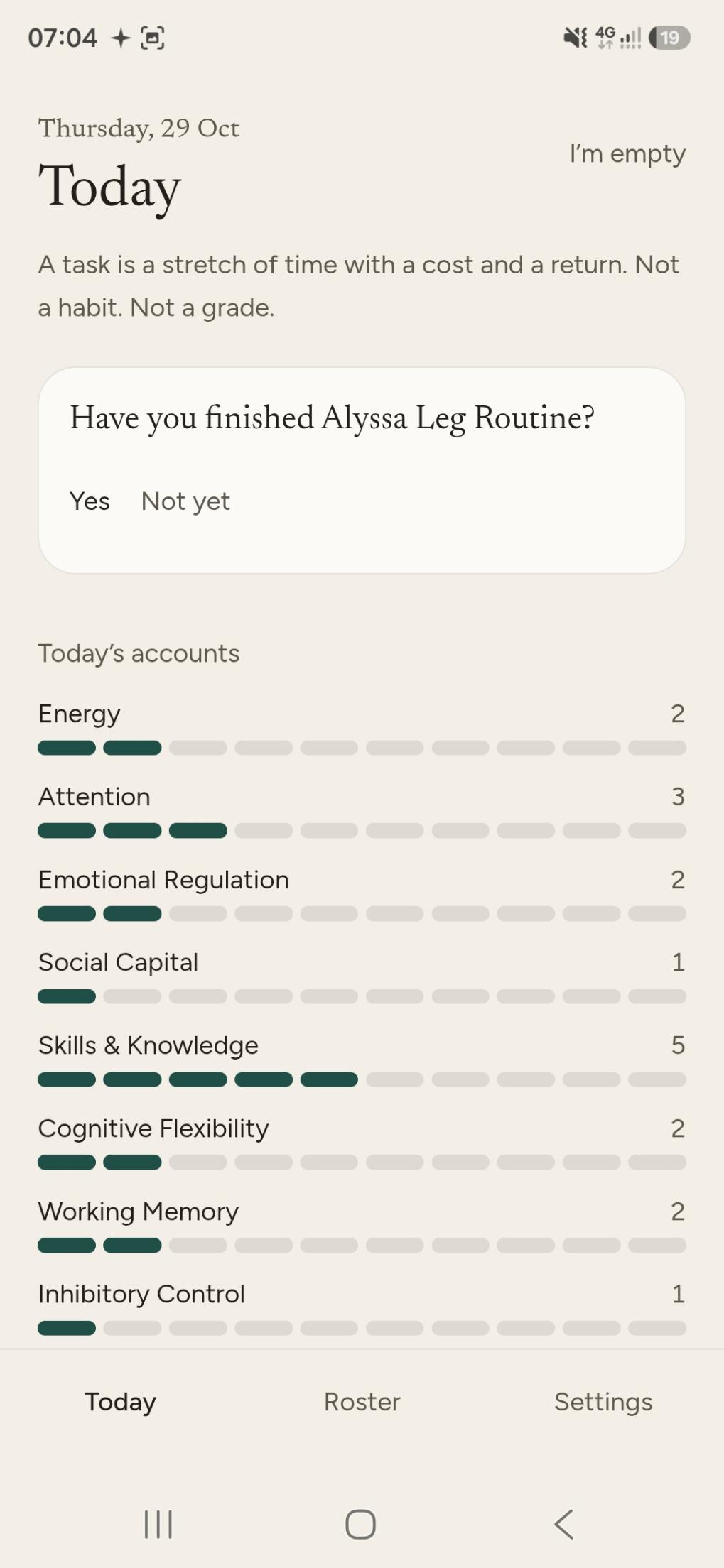
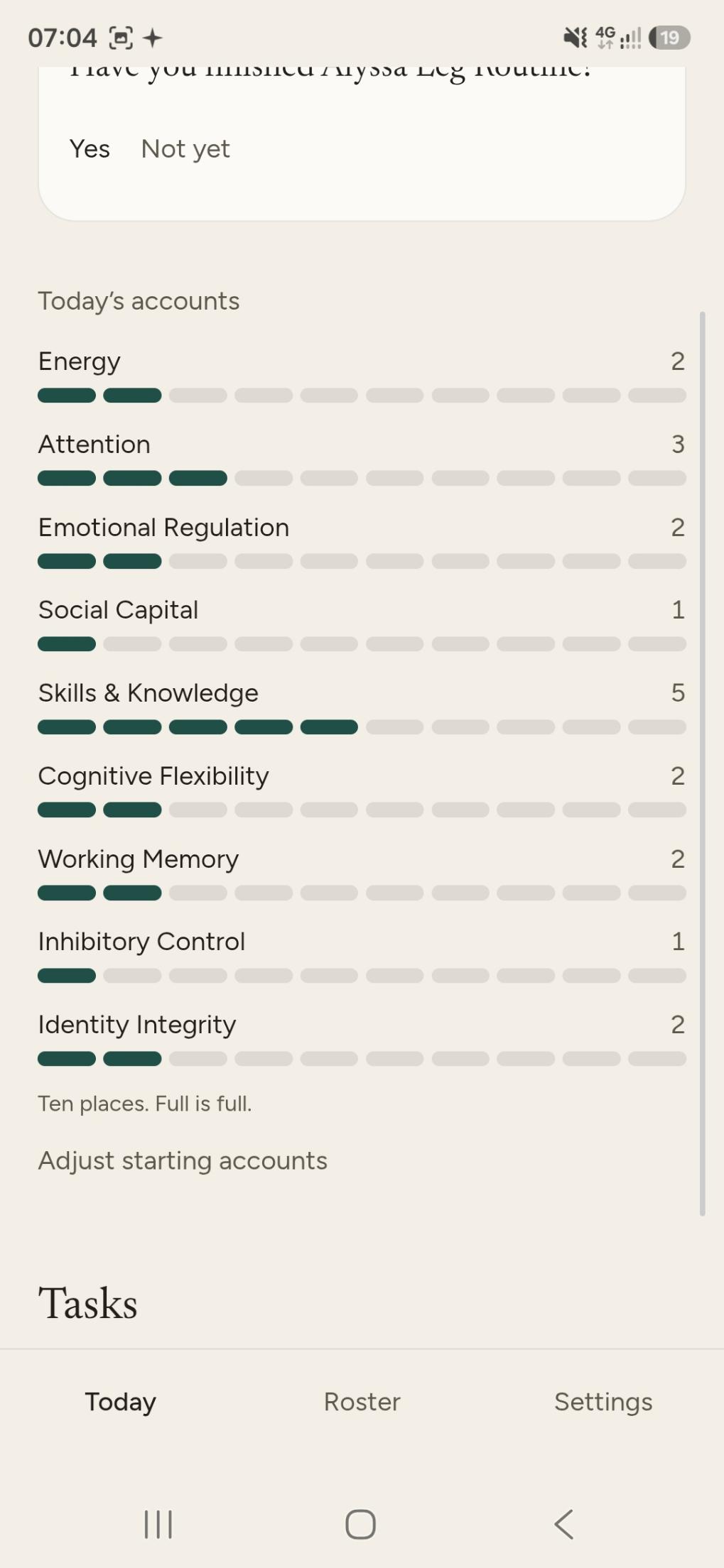
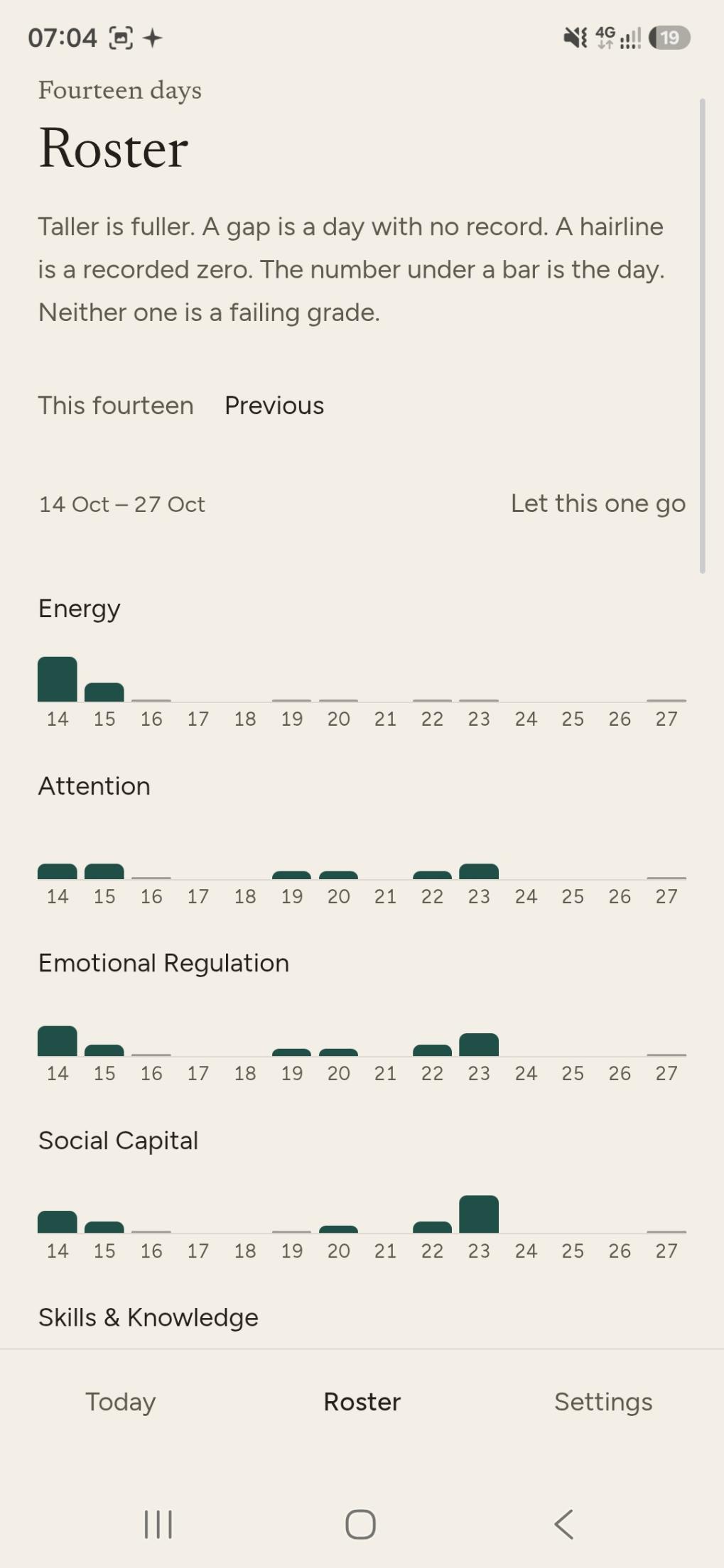
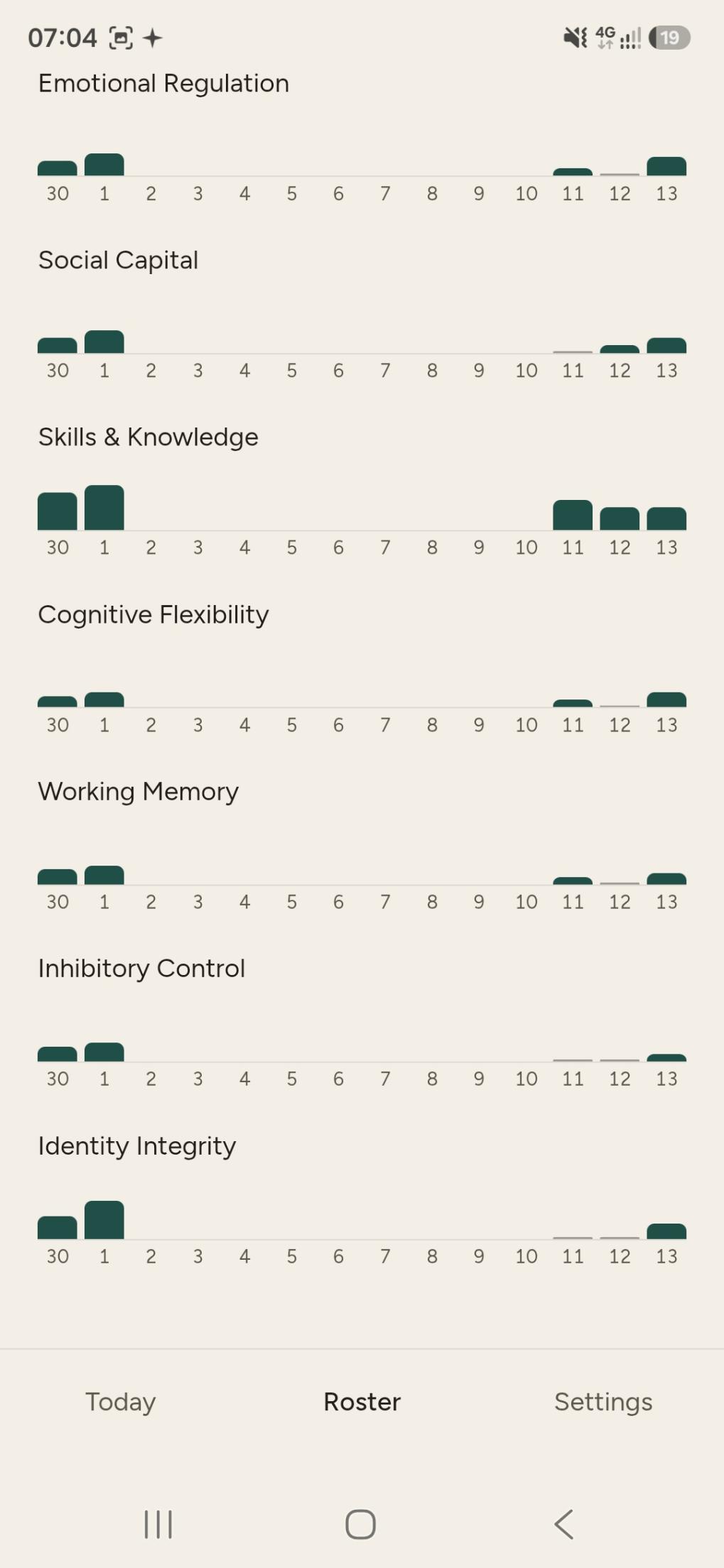
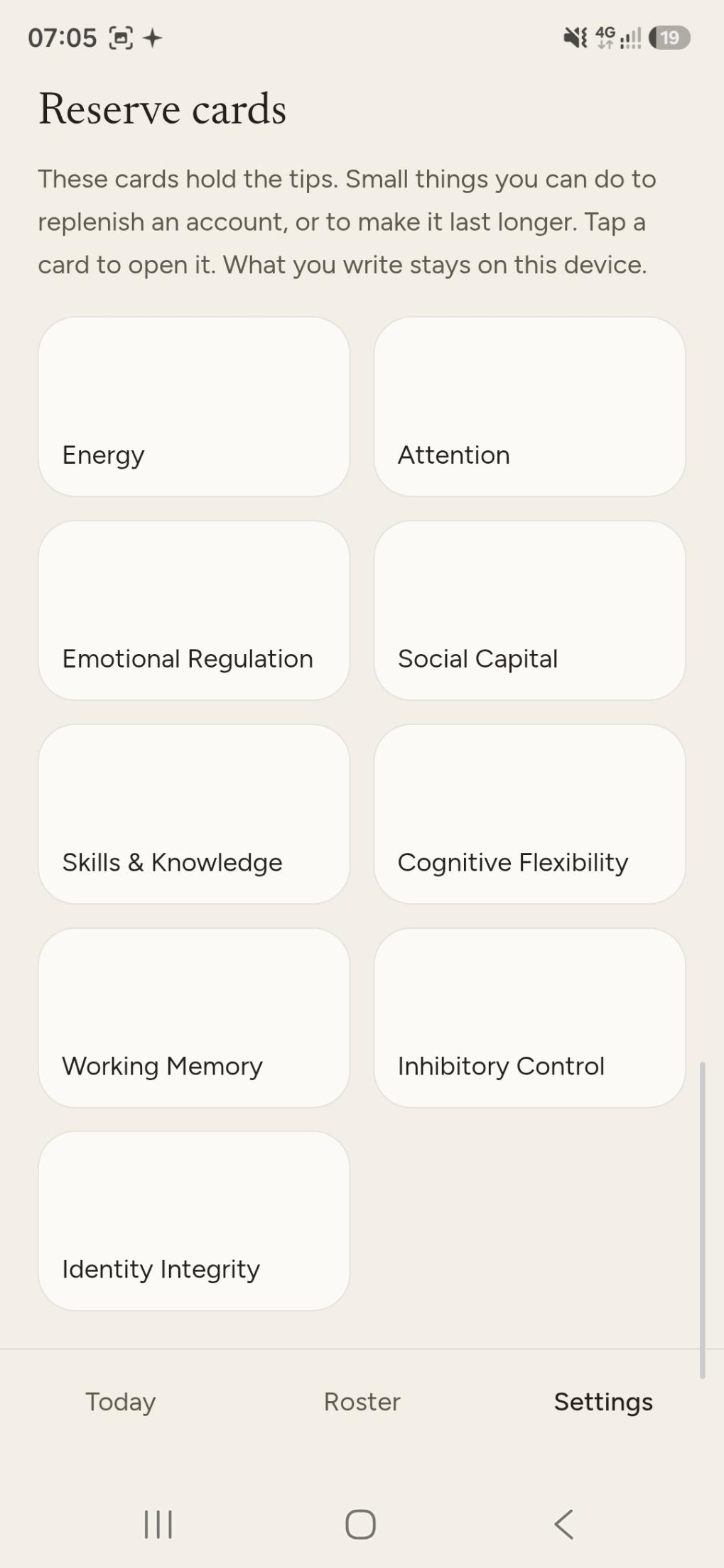
We tend to notice our resources when they're running low. The wallet is a set of accounts for the things you rely on: attention, feeling, energy, the activities that help you feel like yourself. It is not a budget for money, and it is not a clinical assessment.
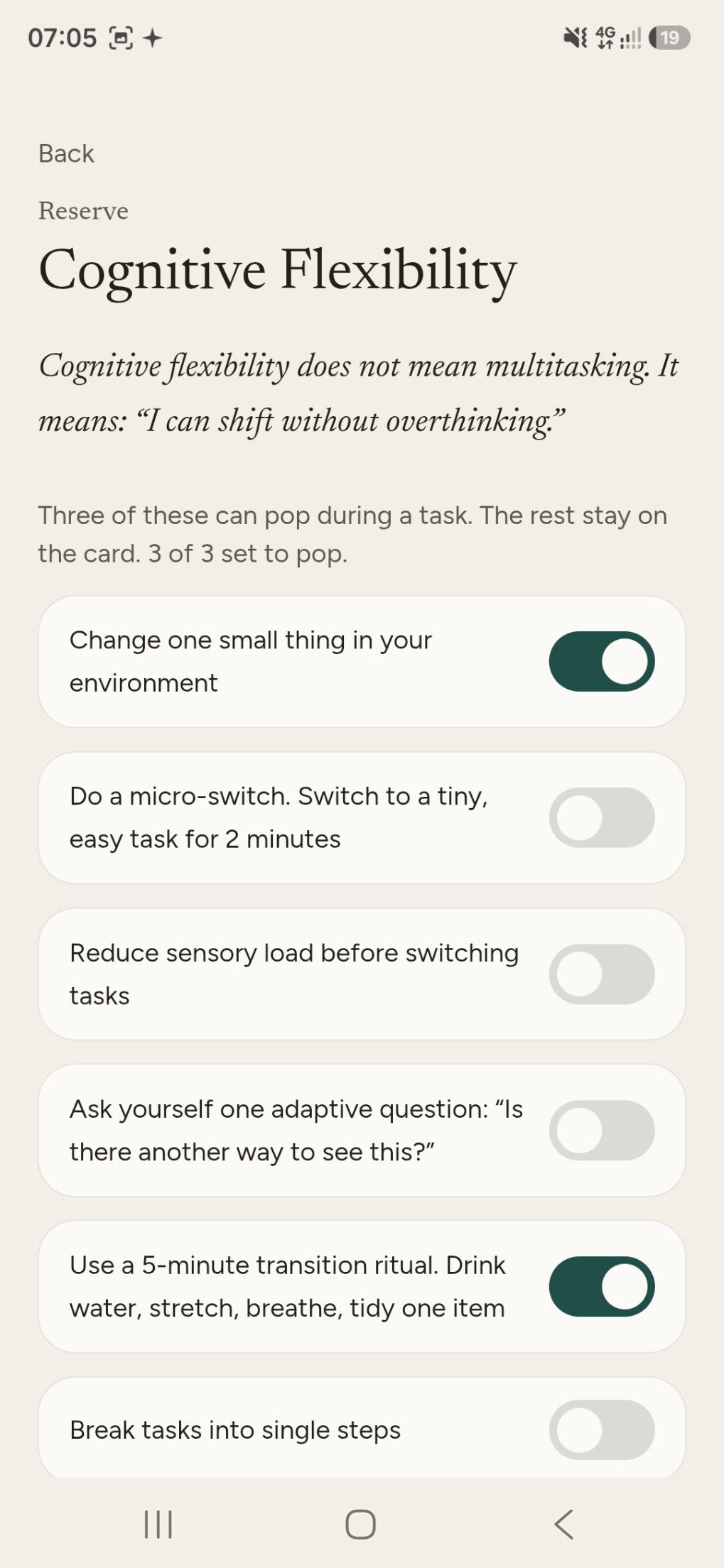
Three accounts stay as a shared starting point. Working memory means keeping information in mind while you use it. Cognitive flexibility means adapting when the plan changes. Inhibitory control means pausing before an automatic response. The others can be hidden or renamed. These categories are ours, for reflection. They are not a validated scale, and a fuller bar is not a measure of your worth.
Identity connection is a place to note what helps you feel like yourself. Painting, running, reading. If a number appears, it is your own reflection, not a scientific score for identity.
The screens include reminders for a phone and a watch. You can look through that design here. Those reminders are not switched on from this website.
Notice what consumes you, what restores you, and when rest has to come first.
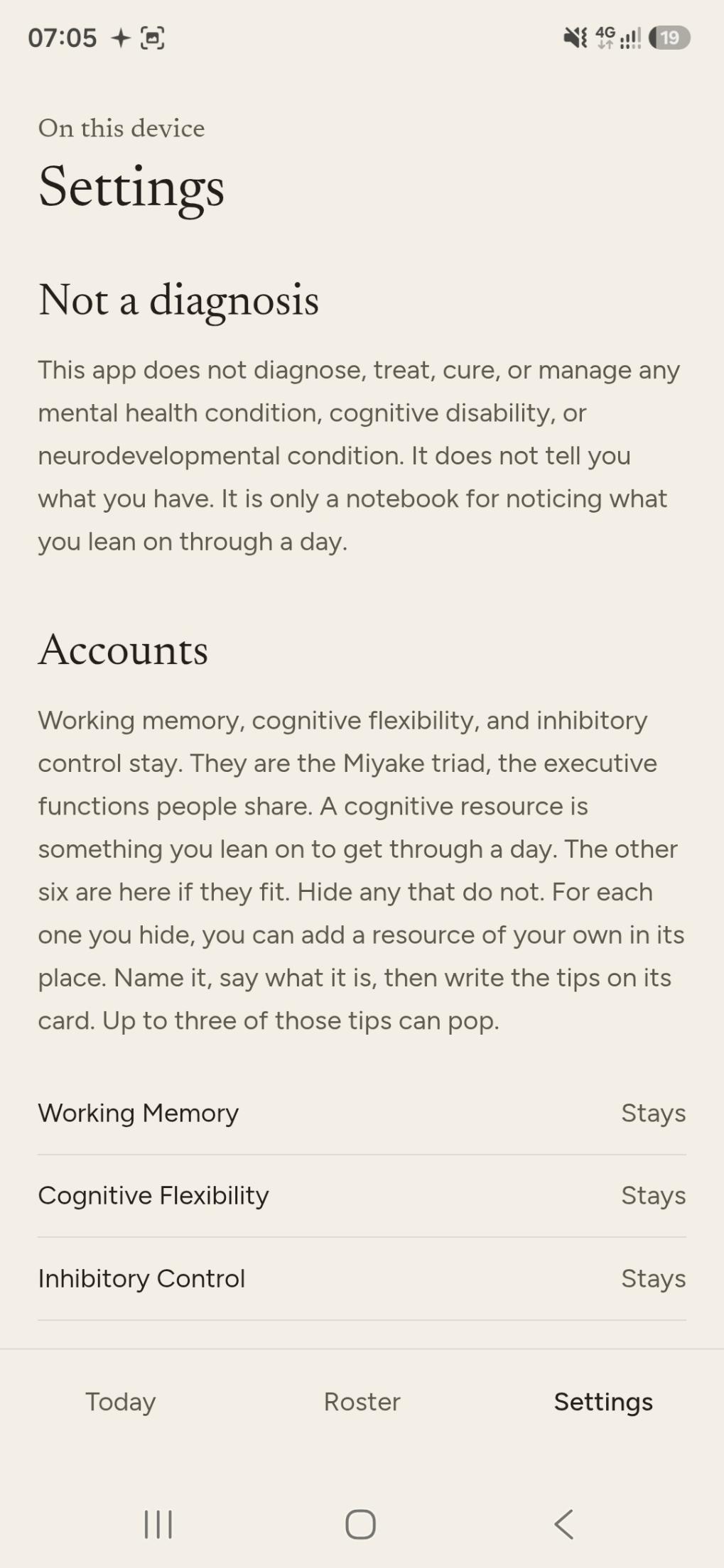
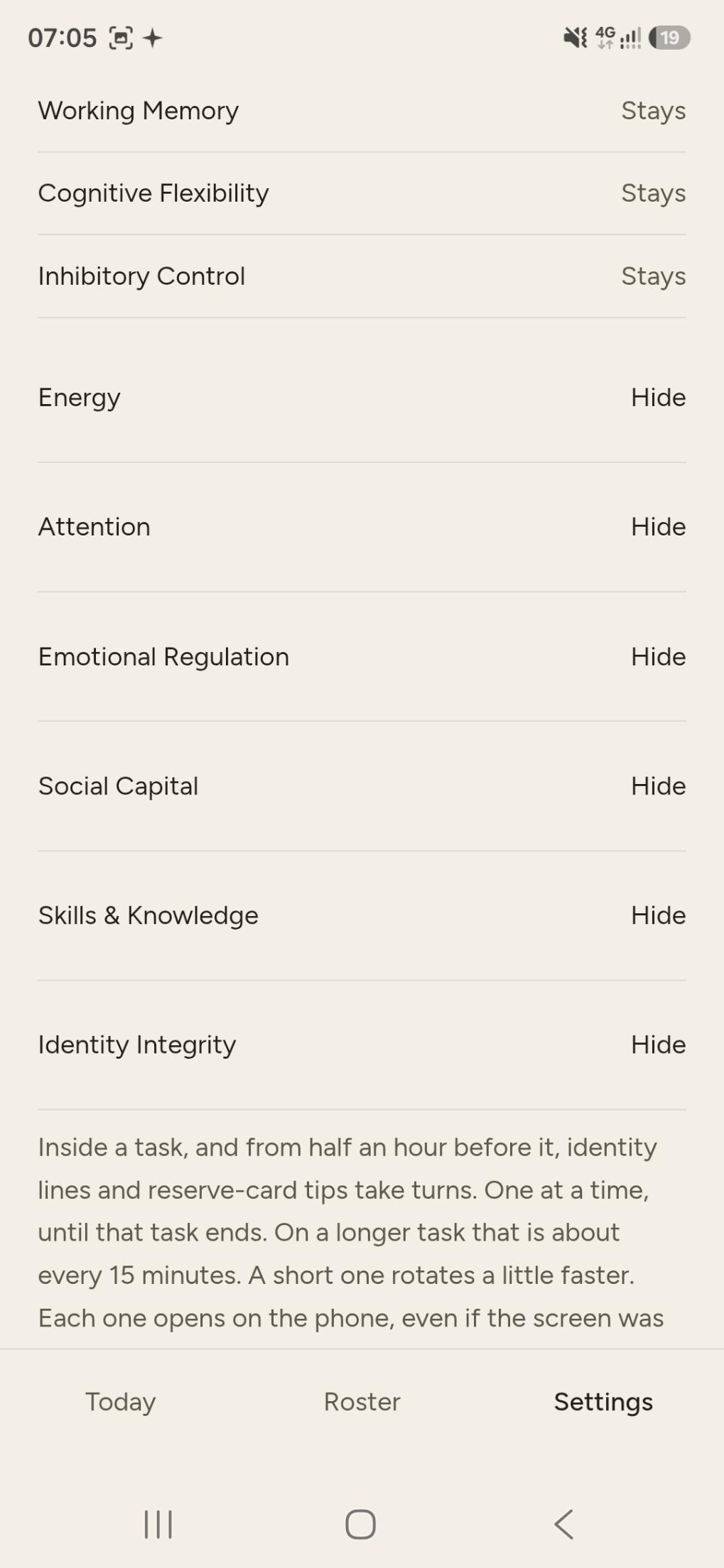
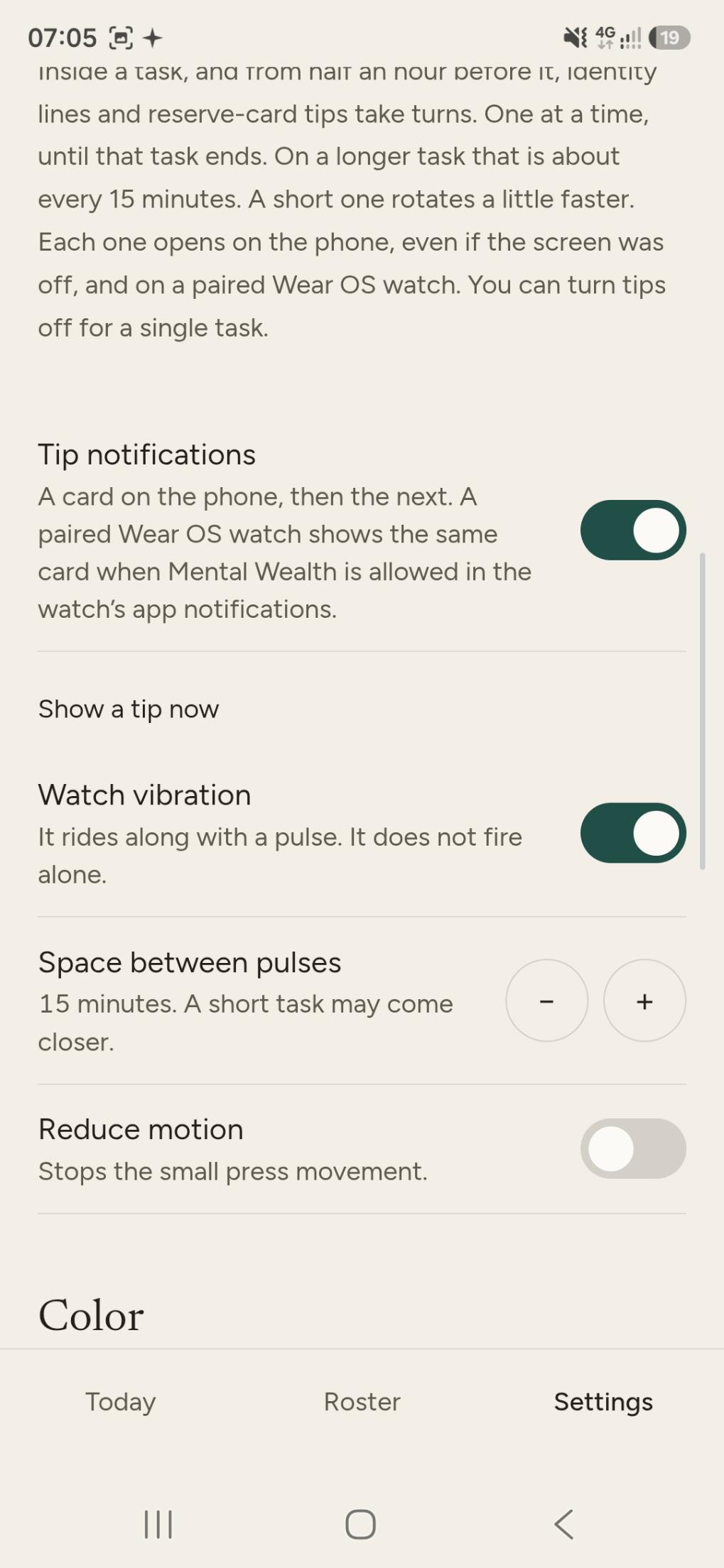
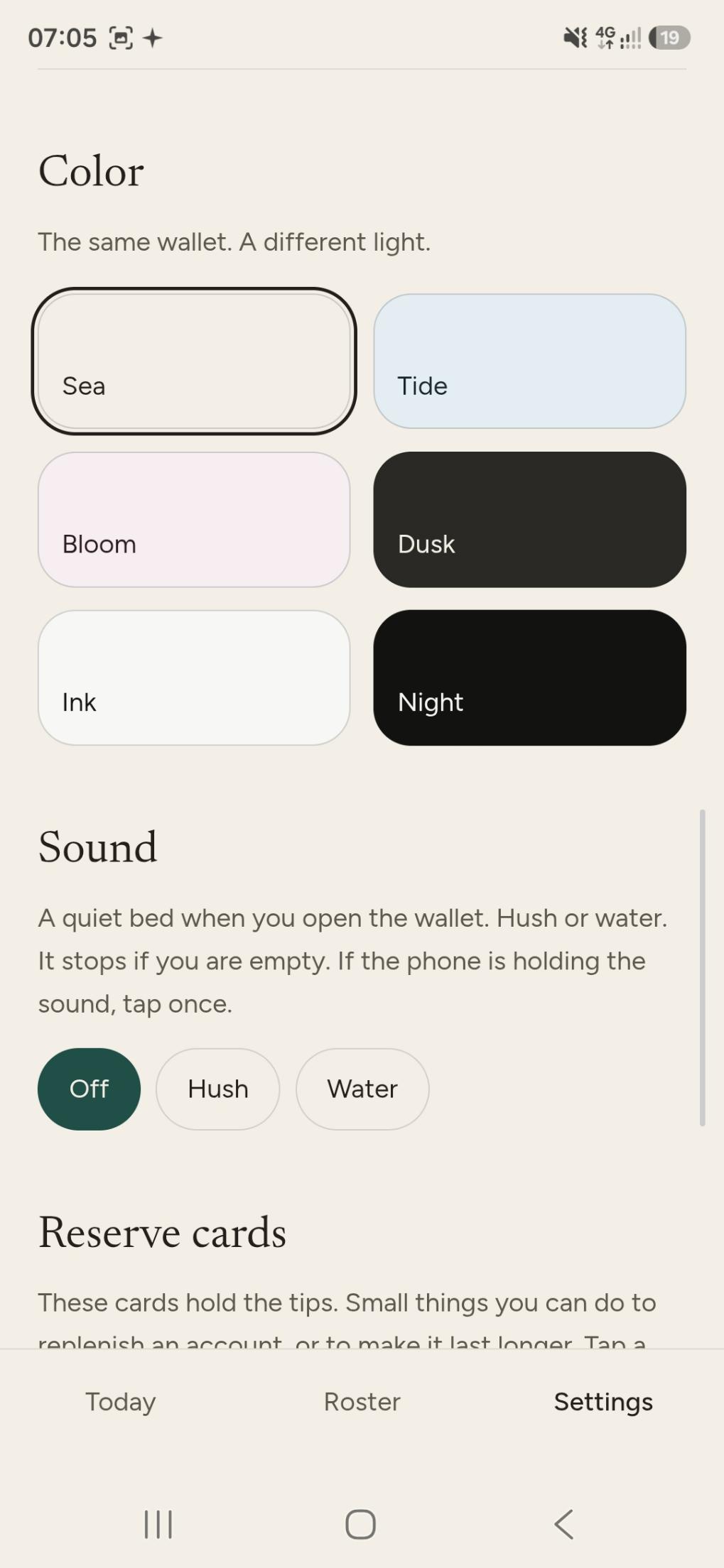
1 / 10
Work-Life Workbook
It's easy to know what work needs and what the household needs, and to stop asking what you want. The workbook is for that question. What you enjoy. What you're curious about. The person you are becoming.
If you used to run and the shifts crowded it out, you don't have to begin with a hard plan. A walk, your shoes by the door, ten quiet minutes. The activity can be small. The connection is the point.
Your goals should have a place in your life, but so should the person who wants to achieve them.
Make room for what matters, in the life you already have.
Shift-Friendly Planner
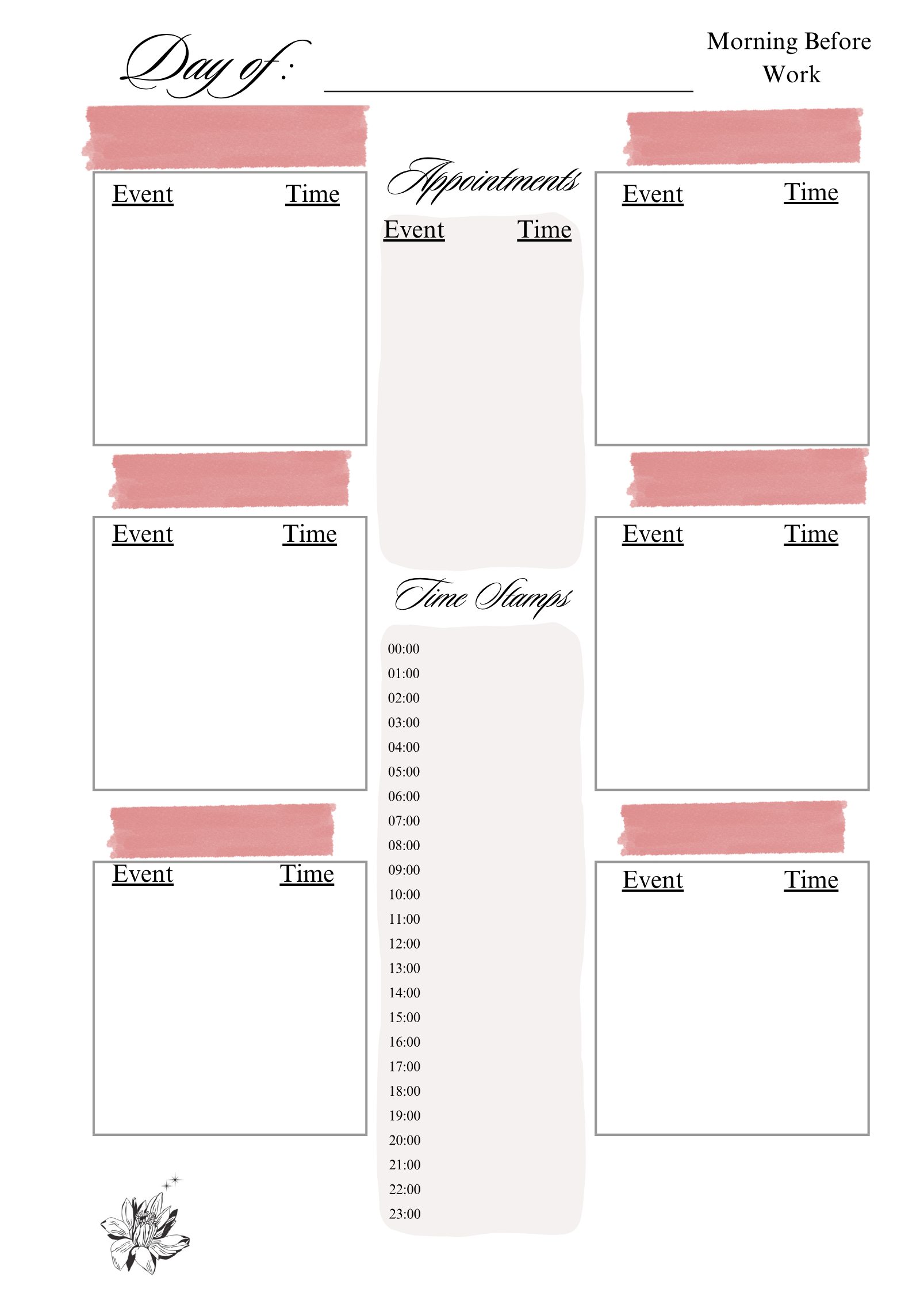
Most planners assume a predictable day and a free evening. More done in less time only works if you are allowed to leave early, or if the hours can move. This one is for early starts, late finishes, long shifts and weeks that change. Look before work, after work, or on a day off. See which hours are committed and which are genuinely available.
Then look at capacity, not only the clock. Two free hours are not always two usable hours. The planner sits next to the wallet for that conversation.
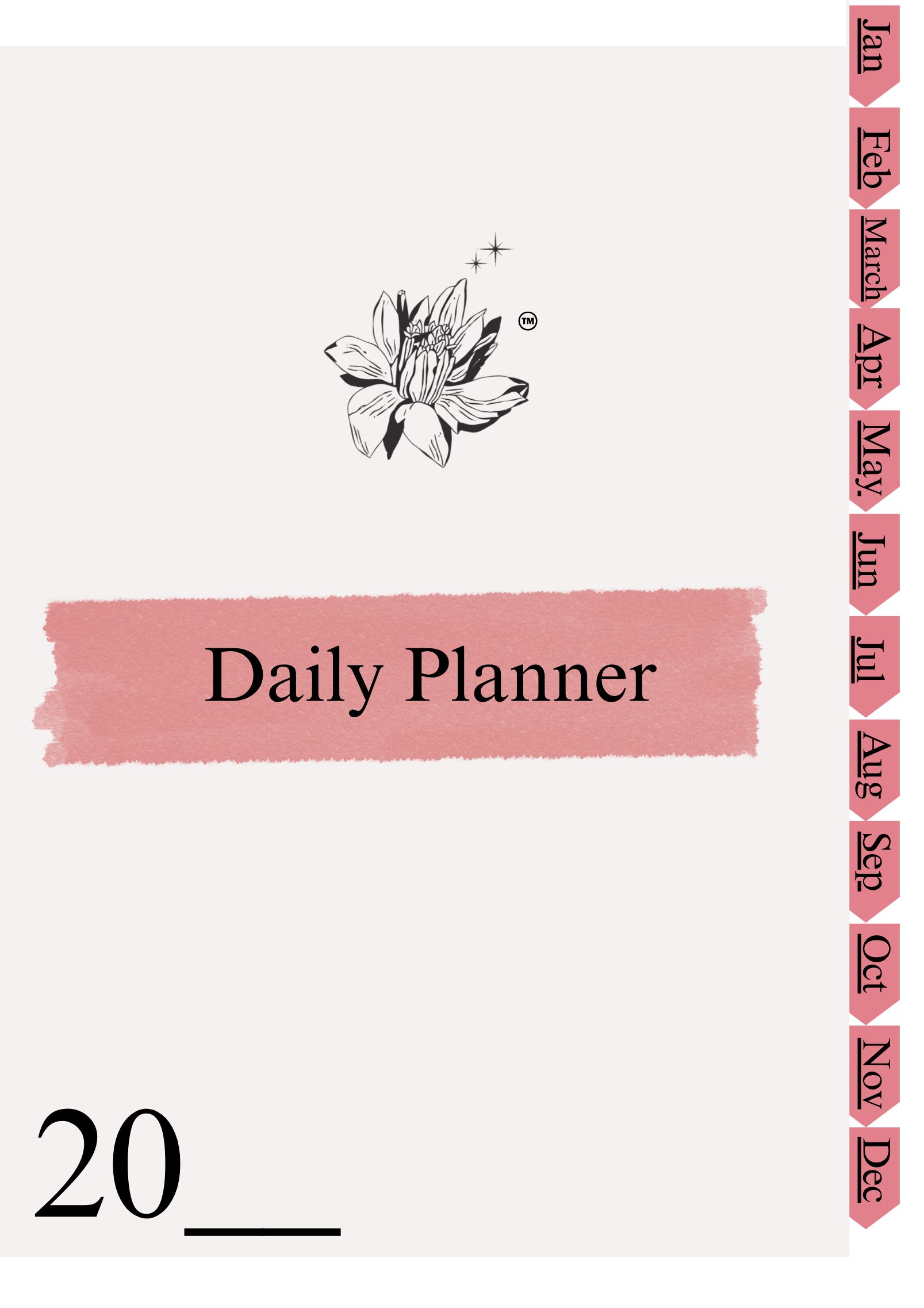
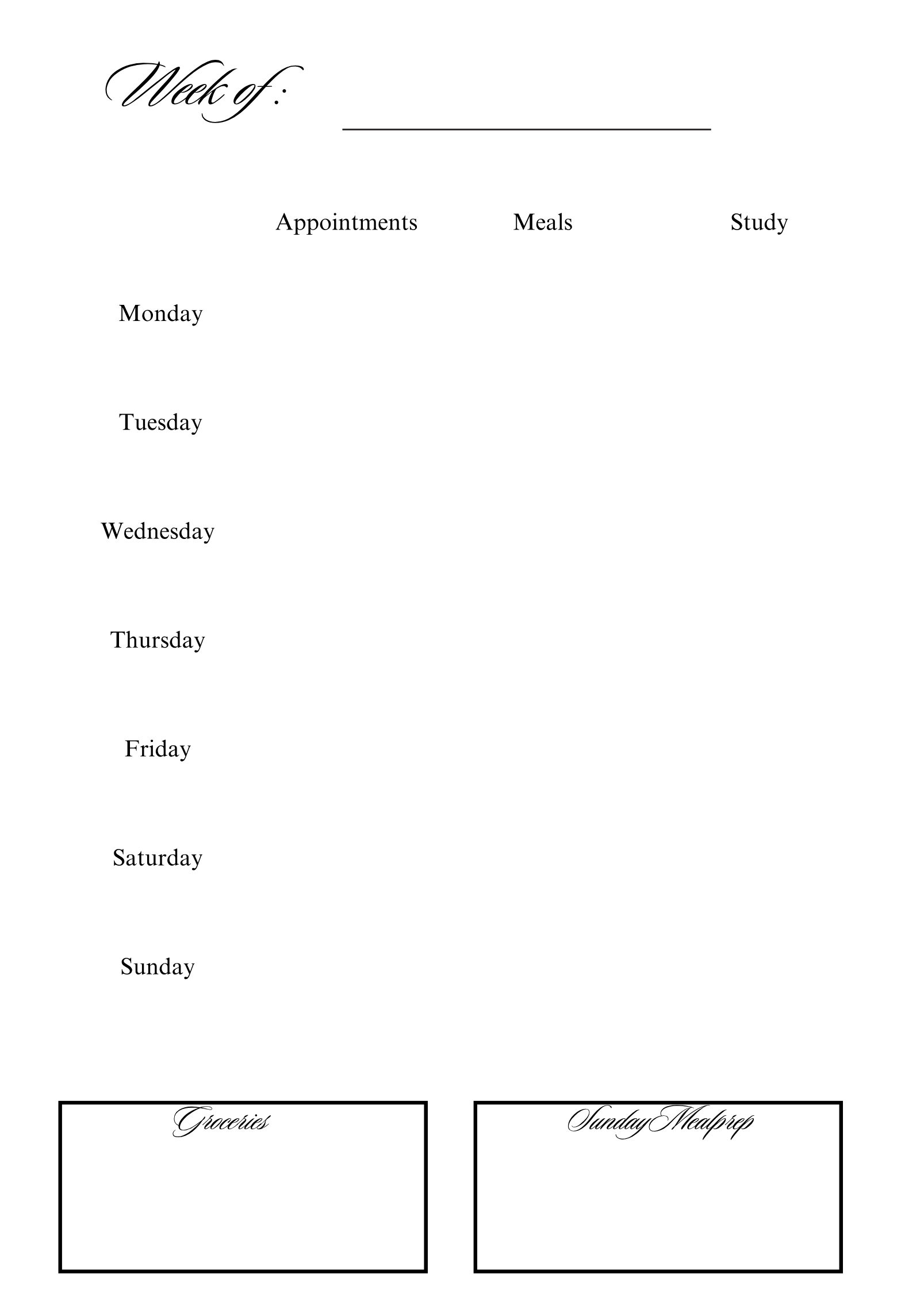
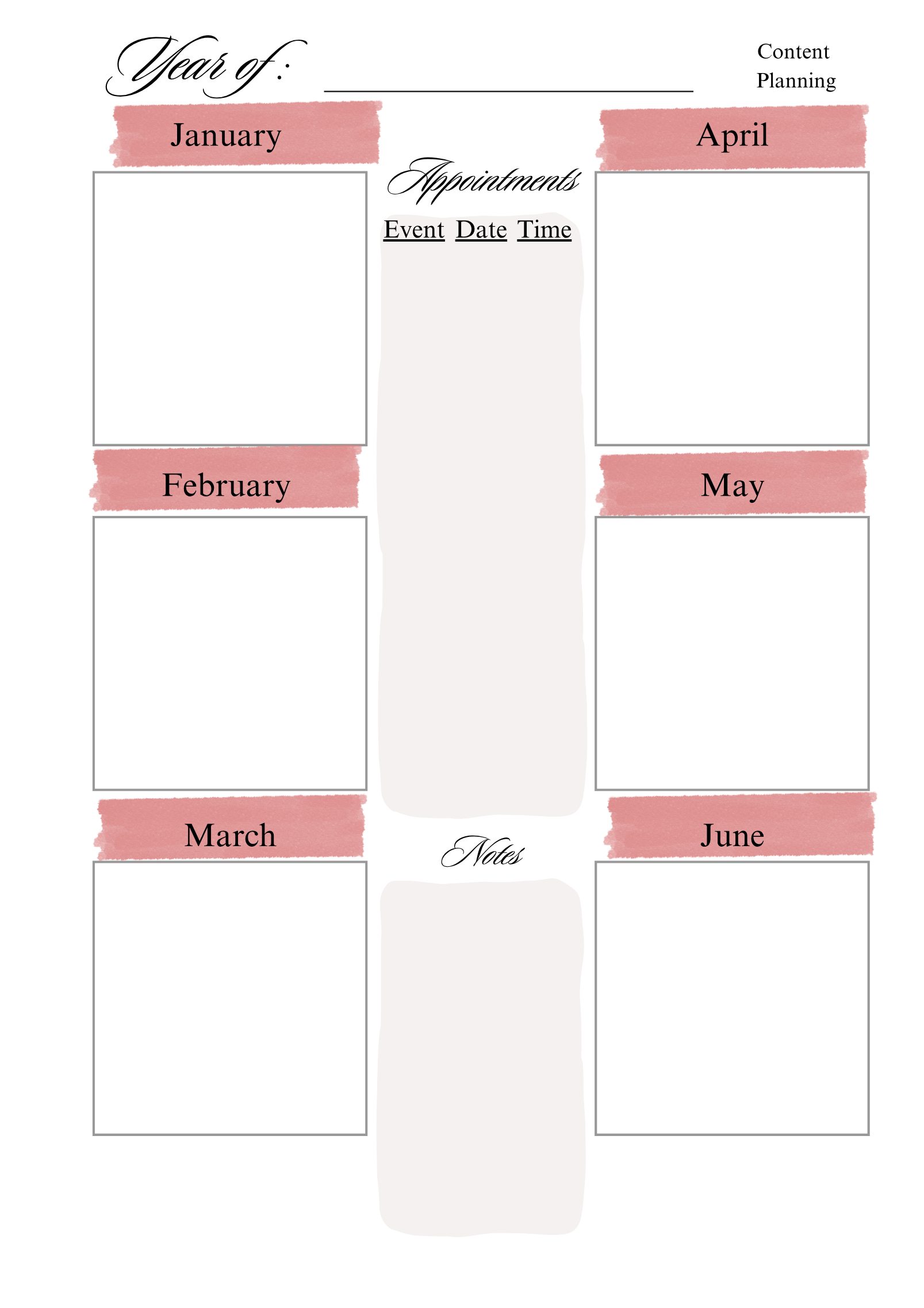
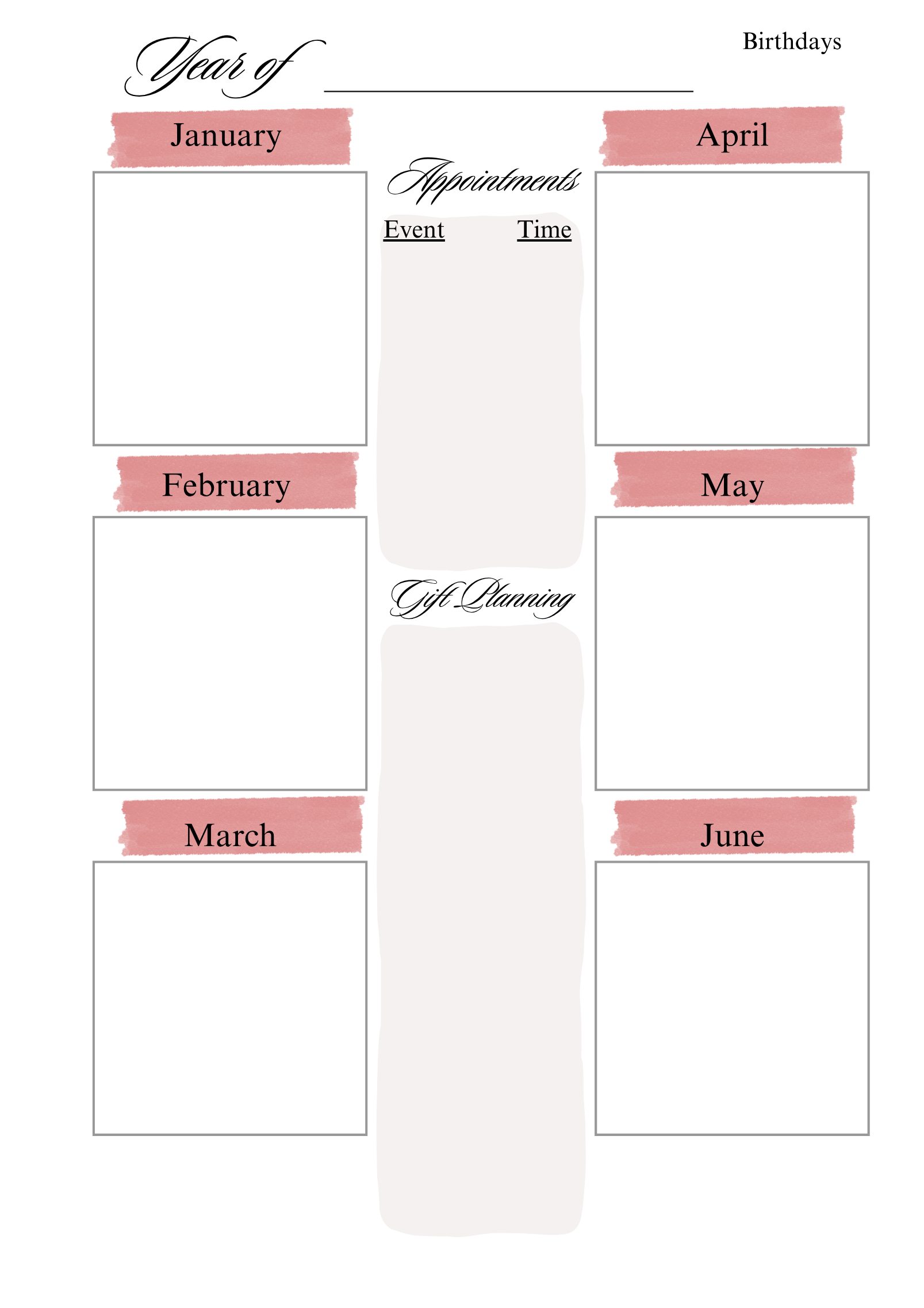
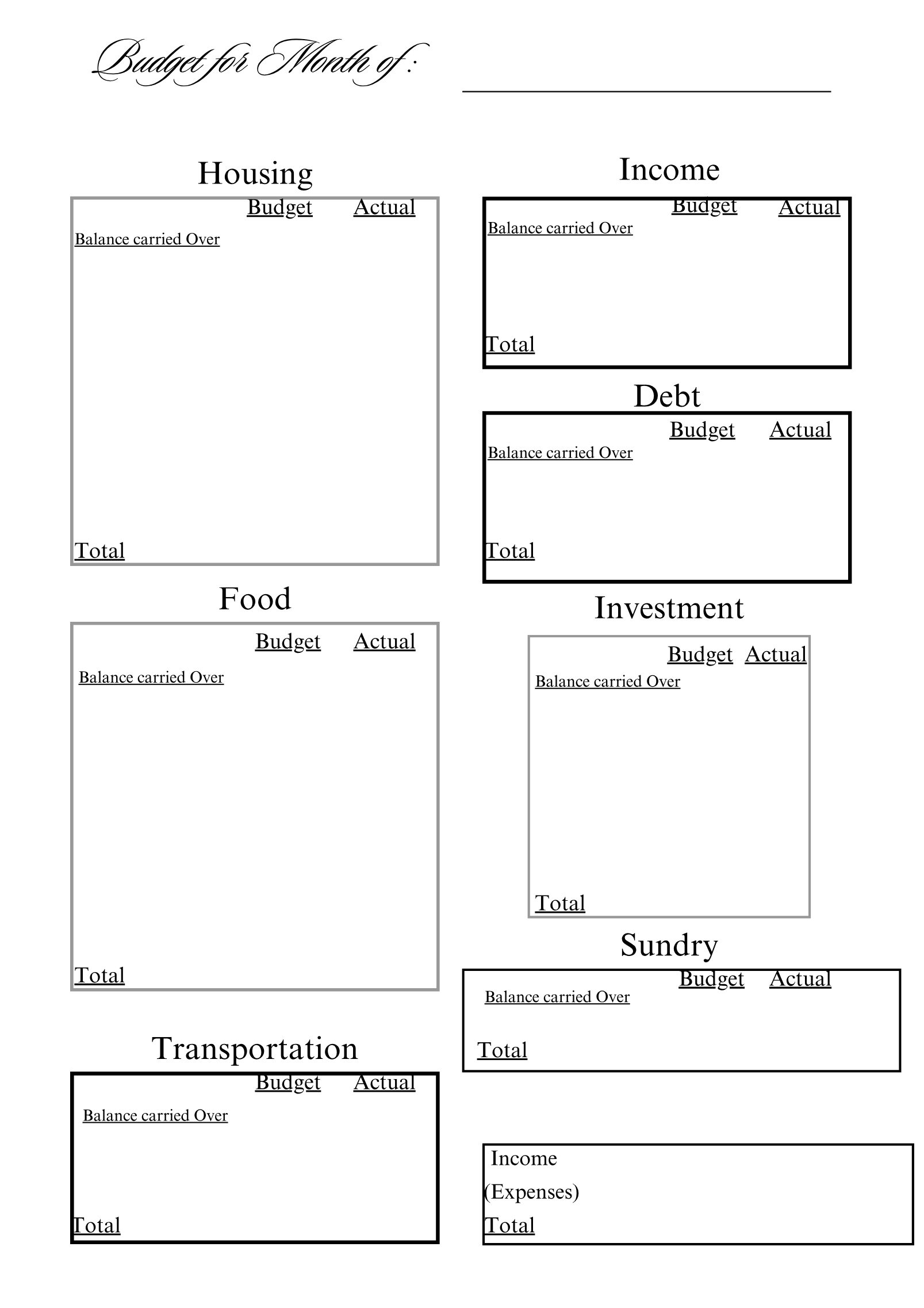
The pages you can swipe are the digital planner. The photographs are the printable. Some days you will finish the list. Some days you will eat, shower and sleep. One small thing that reminds you who you are still counts.
See the day you have, then decide what it can hold.
1 / 6